

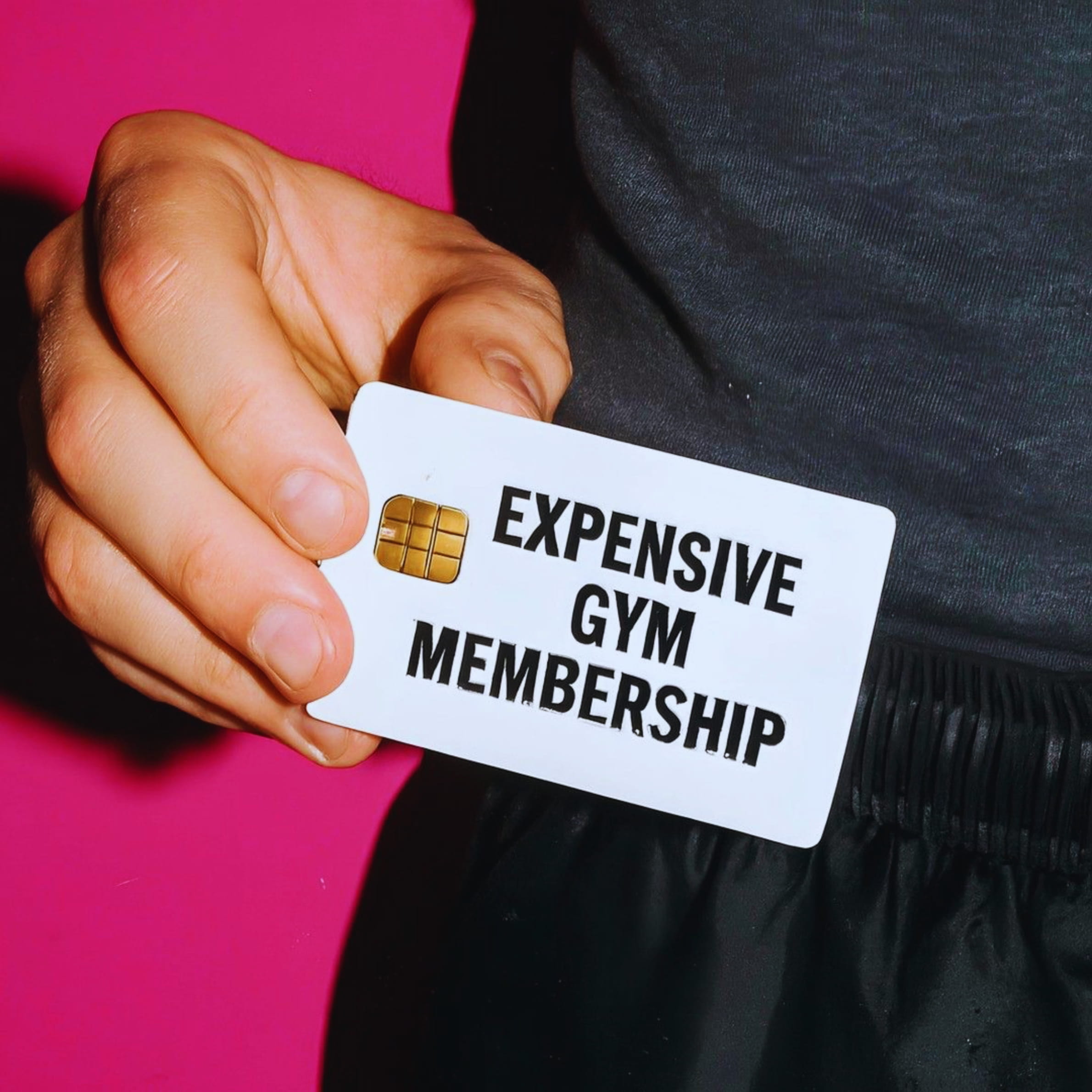
Not everything in your sports bag deserves your money.

Getting into a sport can feel like signing up for an entire lifestyle.
A new sport seems to come with a long list of things to buy: shoes, clothes, equipment, accessories and everything in between. Add social media to the mix, and it can be difficult to tell what you actually need from what simply looks good in a “day in my life” video.
The good news? You don’t need to buy everything at once.
Some purchases can make a real difference in comfort, safety and performance. Others are nice to have but won’t determine whether you enjoy the sport. The trick is knowing where to spend and where to save.
Worth the Splurge
A Good Pair of Running Shoes
If there’s one thing runners should prioritize, it’s their shoes.
You don’t need the newest or most expensive model, but your running shoes should fit properly, feel comfortable and be appropriate for the type of running you do. Since your feet take repeated impact every time you run, a comfortable and well-fitting pair is more useful than several pairs bought simply for their appearance.
Spend on: Fit, comfort and durability.
Save on: Limited-edition colors and unnecessary upgrades.
A Properly Fitted Racket
For tennis and pickleball, equipment matters — but that doesn’t mean you need the most expensive option.
A racket or paddle that is appropriate for your skill level and comfortable to use can make learning easier. Beginners don’t necessarily need professional-level equipment. If you’re still deciding whether you’ll stick with the sport, consider borrowing or renting first before investing in your own.
Once you’ve decided you’re staying, that’s when it makes sense to spend more carefully.
Spend on: The right size, weight and grip.
Save on: Premium models you won’t notice the difference in yet.
Comfortable Socks
Easy to overlook, but worth it.
Good sports socks can help keep your feet comfortable during longer runs and court sessions. Look for a pair that fits well and stays in place rather than simply choosing whatever looks best.
You don’t need a drawer full of specialized socks. A few reliable pairs are enough.
Spend on: Comfort and fit.
Save on: Having too many pairs.
Court Time
If you’re playing tennis or pickleball, the court is the actual experience.
While finding cheaper venues is always helpful, consistently having access to a court can be more valuable than spending money on accessories. Look for public courts, community facilities, off-peak rates or opportunities to split fees with friends.
The goal isn’t to eliminate the cost. It’s to make sure the money you’re spending actually goes toward playing.
Spend on: Playing regularly.
Save on: Premium venues when a more affordable option works just as well.
Save On It
Trendy Activewear
Matching sets may look great on your feed, but you don’t need a new outfit every time you work out.
A comfortable shirt, shorts, leggings or sports bra that you already own can do the job. If you eventually want to add something new, look for basics during sales or from more affordable brands rather than feeling pressured to recreate an entire influencer’s wardrobe.
Your outfit doesn’t determine your workout.
Expensive Accessories
GPS watches, fancy water bottles, specialized bags and other gadgets can be useful, but they’re not necessary for beginners.
A phone can track a run. A regular water bottle can hold water. A backpack can carry your gear.
Accessories can make the experience more convenient, but convenience isn’t the same as necessity.
Ask yourself: Will this actually help me play, or do I just like how it looks?
Matching Sets
There is nothing wrong with wanting the aesthetic, but buying a complete matching outfit every time you start a new activity can quickly become expensive.
Instead, build a sports wardrobe around pieces that work across activities. A good pair of shorts can work for running and pickleball. A basic athletic top can work for training, errands and weekend games.
Buy pieces you can actually reuse.
The Post-Workout Extras
Sometimes the biggest expense isn’t the sport, it’s everything around it.
Coffee after a run. Brunch after tennis. A smoothie between games. Another café because everyone else is going.
These can be part of the fun, especially when they become social rituals. But if you’re trying to keep costs down, you don’t have to say yes every time.
Bring water from home. Pack a snack. Meet your friends somewhere cheaper afterward.
The social part matters. The price tag doesn’t have to.
The #KEEPING PACE Rule
Before buying something for your new sport, ask yourself three questions:
Will this improve my experience?
Will I use it regularly?
Do I need it now?
If the answer is yes to all three, it might be worth the investment. If you’re buying it because everyone on TikTok seems to have one, maybe give it a week.
The goal isn’t to spend as little as possible. It’s to spend intentionally.
Because keeping up with a sport should mean showing up, getting better and enjoying the experience — not constantly shopping for the next thing.
KEEP THE SPORT. SKIP THE PRESSURE.