

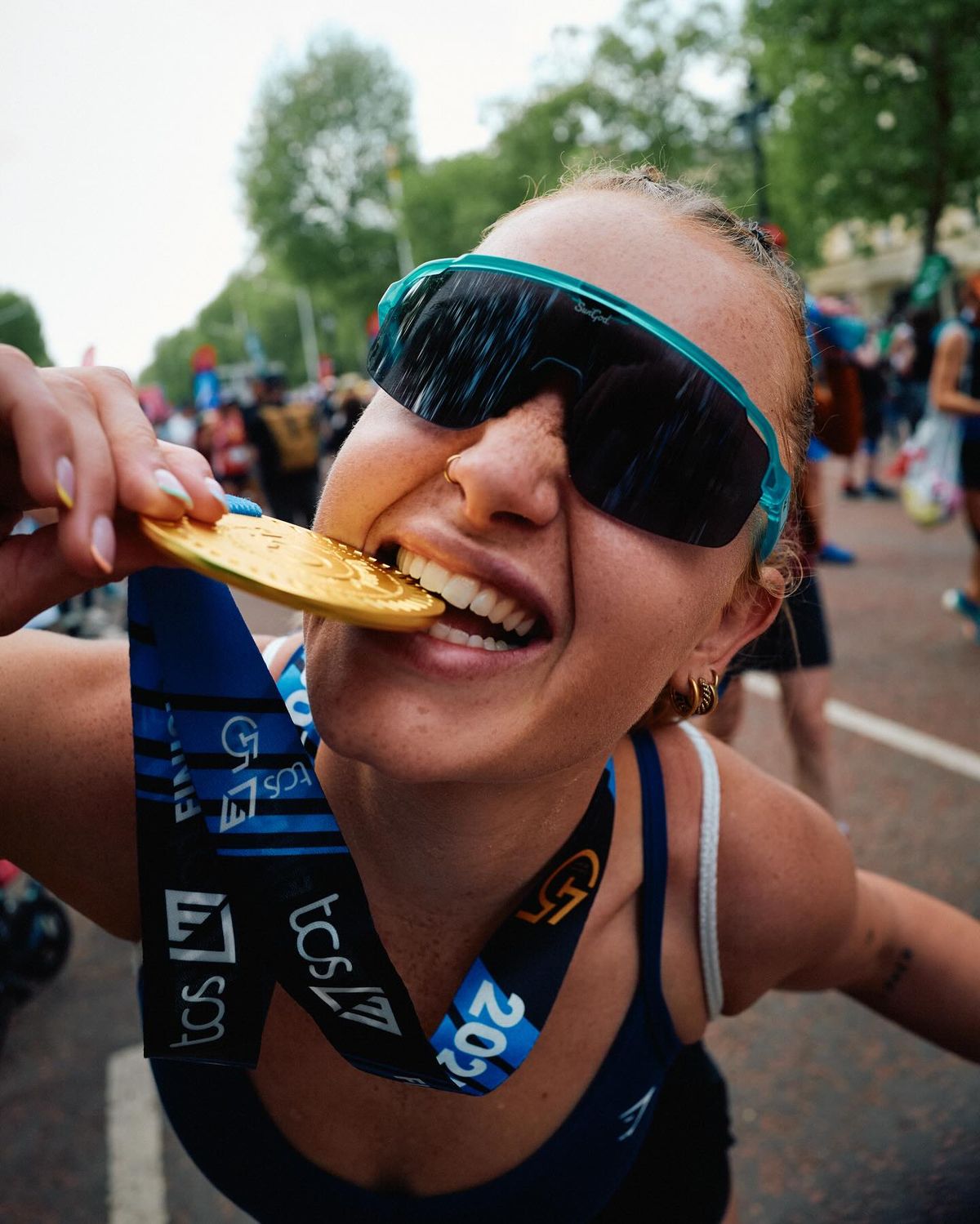
Every finish line starts somewhere.
What started as curiosity became a routine. We spoke with Gen Z participants to understand what drew them to running, pickleball and tennis — and what it really takes to make the lifestyle stick.
One scroll through social media can make it seem like everyone is running a race, picking up a tennis racket or trying pickleball for the first time. There are matching outfits, new shoes and post-workout coffee stops that make the sports lifestyle look as curated as it is active.
Behind every post is a different starting point. Some joined because a friend invited them. Others wanted a healthier routine or a reason to spend more time outside. A few simply wanted to see what all the hype was about. For others, affordability was a concern before they even started.
We spoke with Gen Z participants from different backgrounds and asked one simple question:
What made you start?
Their answers show that while trends may spark interest, curiosity, community and routine are what often turn that first attempt into something more.
“I just wanted to try it.”
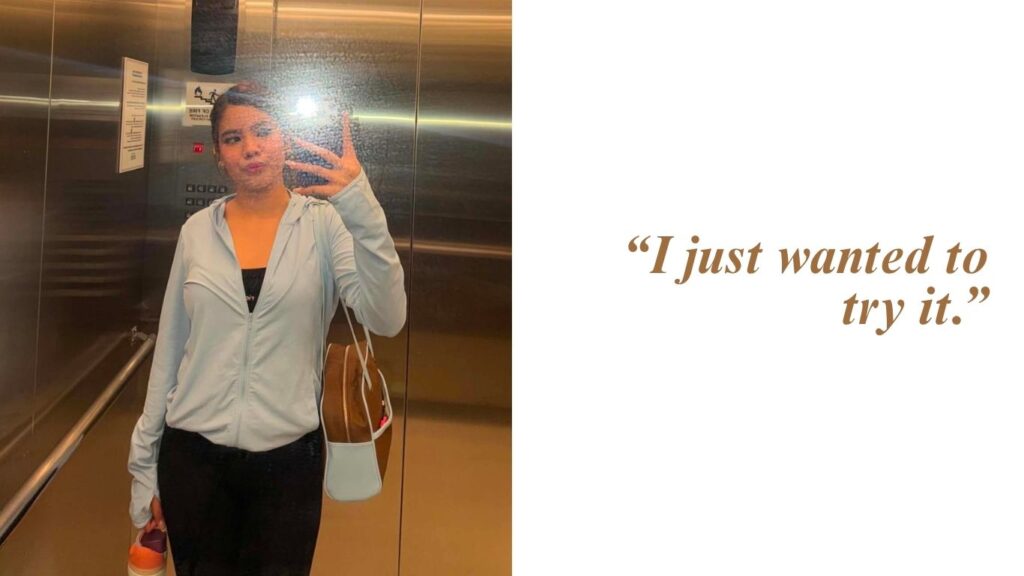
“Honestly, nakita ko lang siya lagi sa TikTok tapos parang ang saya. Pero nung una, akala ko kailangan ko talaga bumili ng paddle and everything. Tapos niyaya ako ng friends ko and they had extra paddles, so sabi ko, ‘Why not?’ Wala naman akong balak seryosohin, pero ayun, tuloy-tuloy na.”
— Cass Santos, 25, Pickleball
For many participants, there wasn’t a grand reason behind picking up a new sport. It was as simple as saying yes to a friend’s invitation or seeing enough videos online to finally give it a try.
But the lifestyle they saw online sometimes made starting feel more complicated than it actually was. The equipment, outfits and polished social media posts can make a beginner feel like there is a certain standard to meet before they even step onto the court.
For Cass, a friend’s invitation removed some of that pressure.
Social media may have introduced the activity, but curiosity — and a little help from friends — was the first step.
“I wanted a reason to leave the house.”
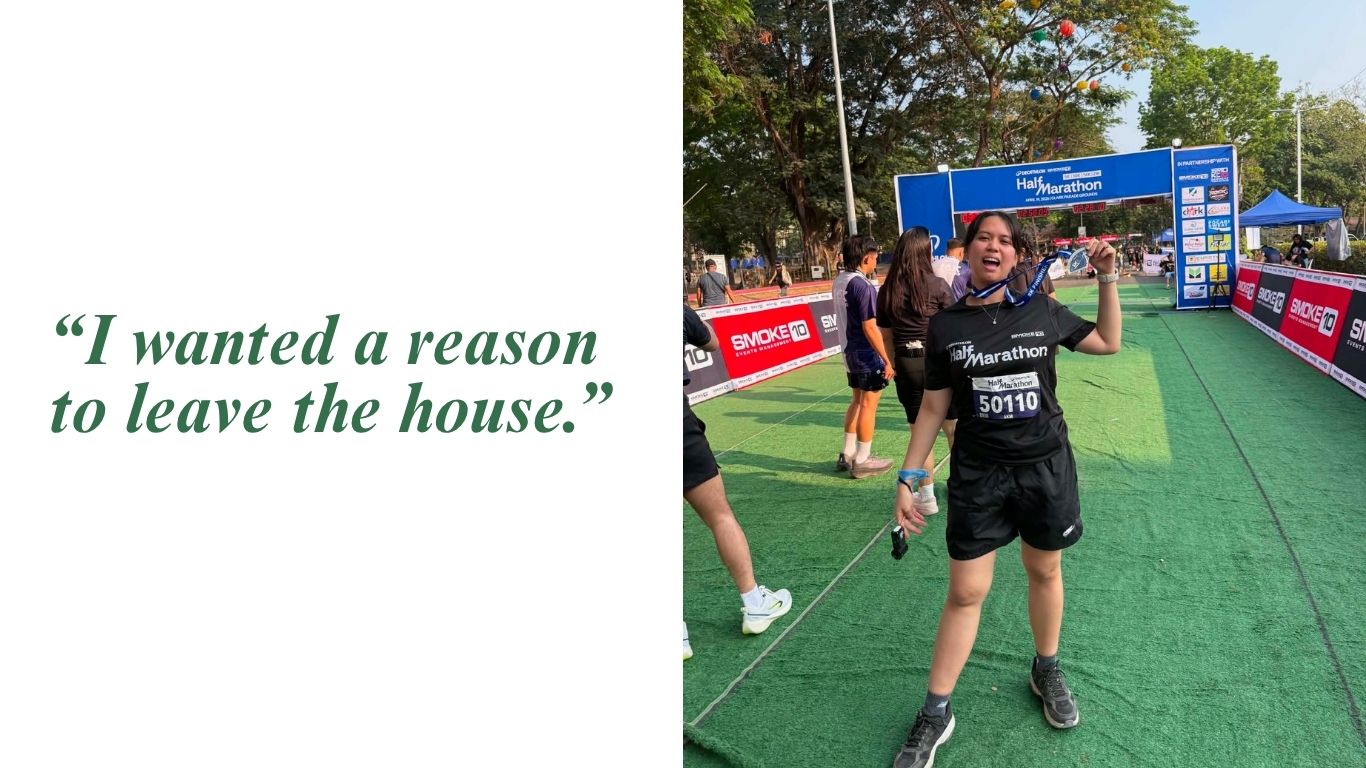
“Napansin ko na parang school-bahay lang lagi yung routine ko. Gusto ko lang magkaroon ng dahilan para lumabas at maging active. Nagulat na lang ako na inaabangan ko na yung runs every weekend.”
— Sam Franco, 21, Running
For others, the sport filled a gap that went beyond physical fitness.
Many participants described wanting structure after classes, remote work or spending long hours indoors. A morning run or weekly pickleball session became something to look forward to — a reason to unplug and spend time outside.
The World Health Organization recognizes regular physical activity as beneficial to physical and mental health and says it can support mental well-being and reduce symptoms of anxiety and depression.
For Sam, getting started was less about building the perfect running setup and more about building a routine.
Sometimes, the reason to start is simply needing somewhere to go.
“I stayed because of the people.”
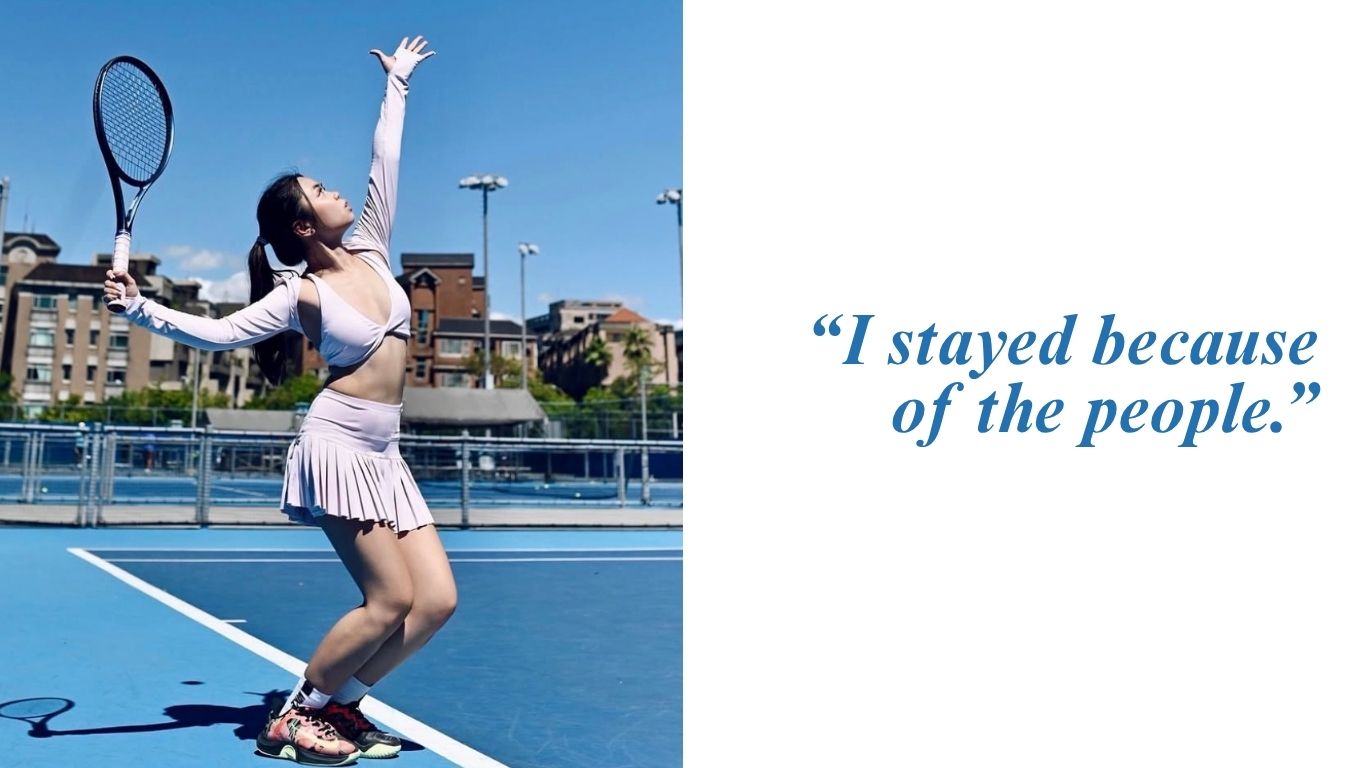
“Masaya na yung game, pero mas inaabangan ko talaga yung kwentuhan pagkatapos. Parang bonus na lang yung workout. And malaking help din na may friends akong kasama kasi we can split the court and sometimes share equipment.”
— Eunice Zoleta, 24, Tennis & Pickleball
Nearly every participant mentioned the same thing at some point: the people.
Running clubs became spaces to meet strangers who quickly became familiar faces. Tennis lessons introduced beginners to others learning at the same pace. Pickleball turned into a weekly tradition with family and friends.
For Eunice, community made the sport more enjoyable — and more manageable.
Sharing equipment, splitting court fees or simply knowing someone who already plays can make the first few sessions less intimidating. Instead of figuring everything out alone, beginners have people who can point them toward cheaper courts, useful gear and better ways to get started.
The sport itself mattered, but so did the community that came with it.
“It became part of my routine.”
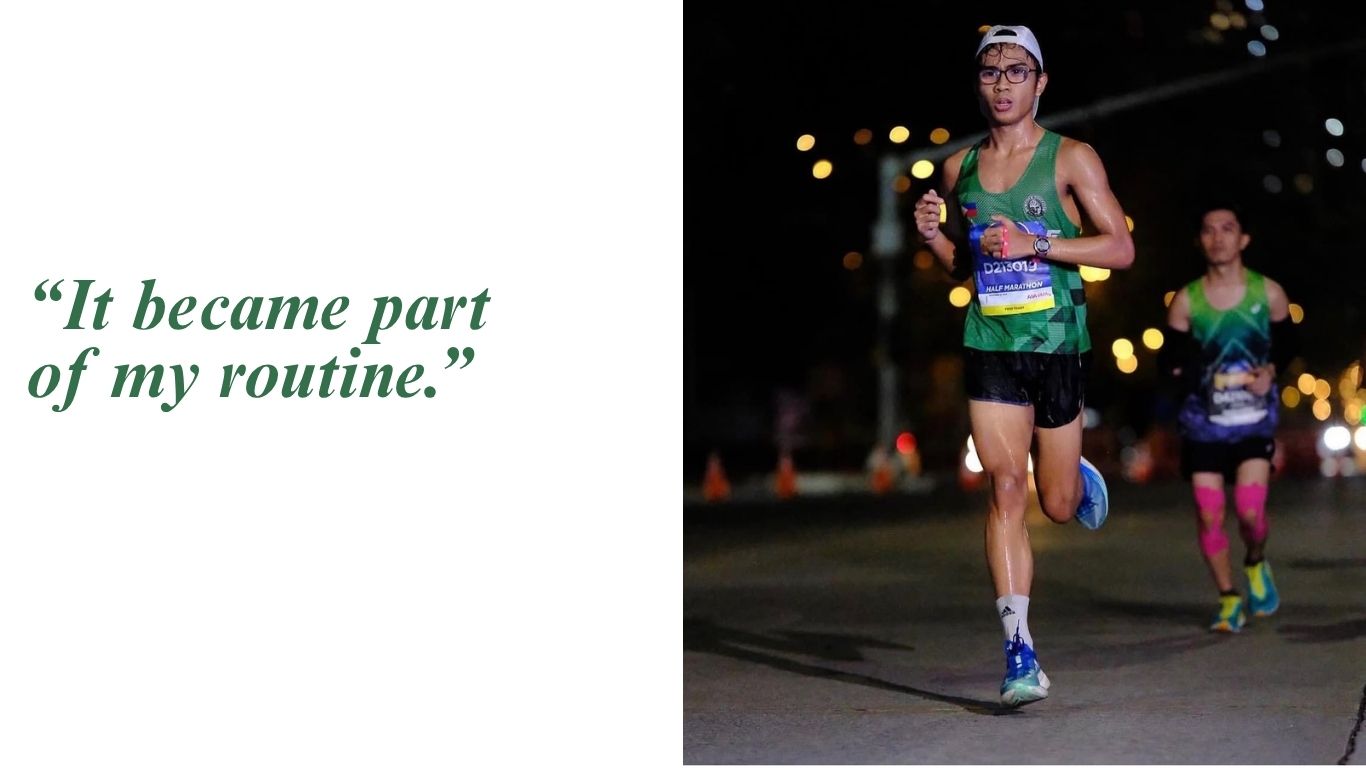
“Parang naging non-negotiable na siya. Kahit pagod ako galing school, gusto ko pa ring tumakbo or maglaro kasi alam kong mas okay yung pakiramdam ko after. Pero hindi naman ako bumili agad ng lahat ng gamit. I started with what I had and slowly bought things as I needed them.”
— Enrico Salamero, 21, Running & Pickleball
What began as an occasional activity gradually became part of everyday life.
Participants spoke about waking up earlier, planning weekends around matches and looking forward to training sessions after school or work. Over time, the activity shifted from something they had to do to something they wanted to do.
For Enrico, becoming more invested did not mean buying everything at once. He learned what he actually needed by playing first and spending later.
It’s a small distinction, but an important one. Maintaining a sports lifestyle is not necessarily about constantly upgrading. Sometimes, it is about figuring out what is worth paying for and what can wait.
“The aesthetic got my attention.”
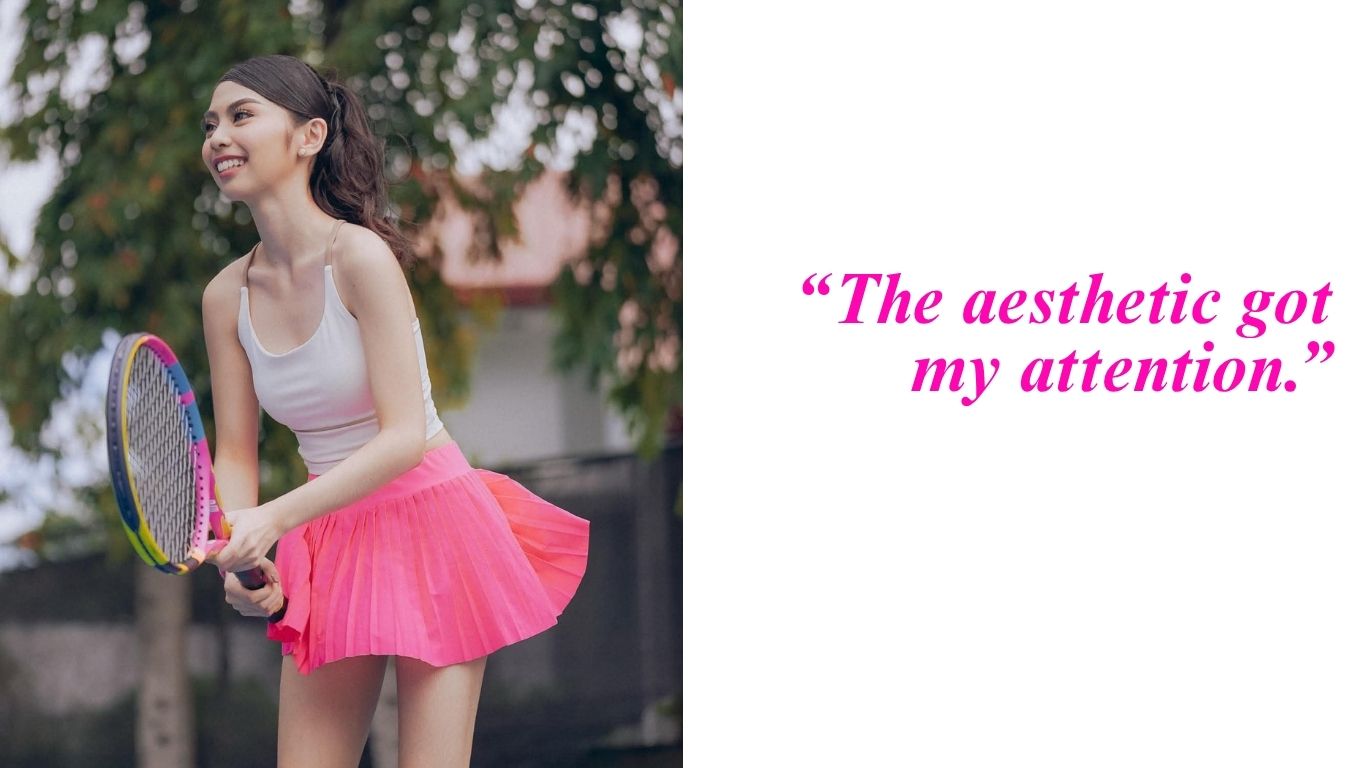
“Honestly, nagustuhan ko muna yung vibe. ‘Yung outfits, yung cafés after, lahat. Pero nung nakita ko yung prices, parang, ‘Okay, baka hindi para sa akin.’ Eventually, na-realize ko naman na hindi ko kailangan bilhin lahat. I can enjoy the sport without looking exactly like the people I see online.”
— Jam Zoleta, 20, Tennis & Pickleball
Not everyone hesitated to admit that aesthetics played a role.
From tennis skirts and matching activewear to carefully tracked Strava routes, social media has made these sports look appealing — and highly marketable. It can also make the lifestyle seem more expensive than the sport itself.
For Jam, the aesthetic initially created interest but also made participation feel out of reach. The realization that she could enjoy the activity without buying into the entire image changed that.
The outfit did not make her a tennis player. The expensive-looking lifestyle did not make her a pickleball player. She just had to play.
“I’m still figuring out what it’s worth spending on.”
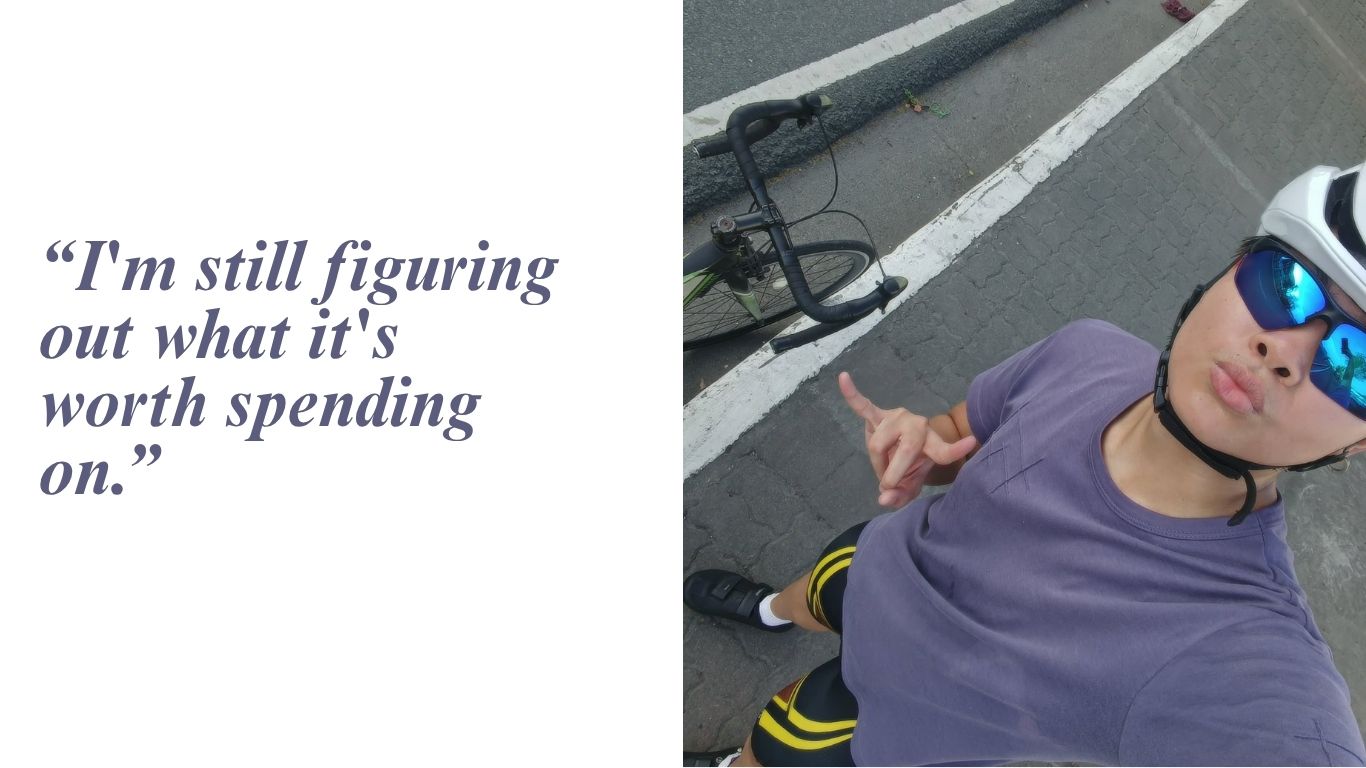
“I like tennis, pero I’m still trying to figure out where to save. May mga things na akala ko kailangan ko, pero after playing a few times, hindi naman pala. So ngayon, I try to spend on things I know I’ll actually use.”
— Ria Malinay, 20, Tennis
Not everyone has figured out the formula yet.
For some participants, becoming part of the sports lifestyle also means learning how to participate without constantly spending more. There are court fees, equipment, clothing and other costs to consider, and knowing where to save can take time.
The goal isn’t to avoid every expense. It’s to understand which ones actually make a difference.
For beginners, that can mean borrowing equipment before buying it, finding affordable places to play or choosing practical gear over whatever happens to be trending online.
The sport stays the same. The way you pay for it can be different.
Finding Their Own Pace
Listening to these stories, it is clear that there is no single reason why Gen Z is embracing these sports.
Some were influenced by TikTok. Some followed their friends. Others wanted a healthier routine or simply needed a reason to leave the house. A few were drawn in by the aesthetic before discovering that they genuinely enjoyed the activity itself.
But their stories also challenge the idea that joining the sports lifestyle means buying everything that comes with it. For these participants, getting started often meant using what they already had, relying on friends, figuring out where to save and gradually learning what was actually worth spending on.
Running, tennis and pickleball have become more than recreational activities. They are spaces where young people challenge themselves, meet new friends, build routines and find communities that extend far beyond the court or running path.
The lifestyle may look expensive from the outside.
But finding your way into it doesn’t have to be.