


When did joining a sport start feeling like joining a lifestyle?
You decide you want to start running. Then you look at what everyone else is doing.
They have shoes. The matching set. The running watch. The sunglasses. The belt for their phone. The water bottle. And, of course, the coffee waiting at the end. Suddenly, your plan to just start running feels a little more complicated.
The same thing happens with tennis and pickleball. You see people with new rackets, cute outfits, expensive-looking bags and perfectly coordinated gear. On TikTok and Instagram, the sport often comes with an entire lifestyle attached to it.
And it can be hard not to think: Do I need all of that to belong? Probably not.
But when you see the same things over and over again, it can start to feel that way.
The Sport Has a Look
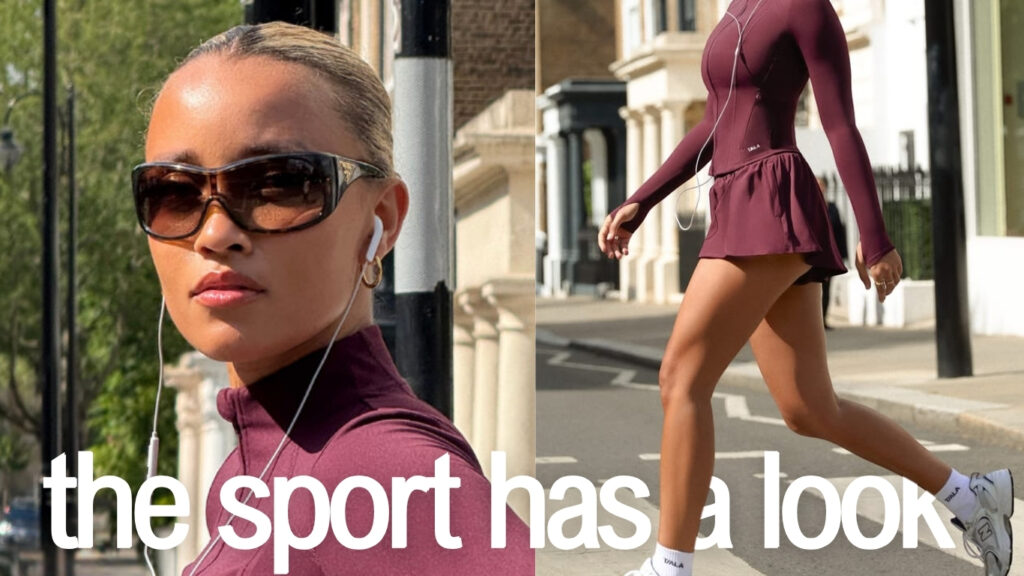
One reason these sports have become so popular with Gen Z is that they are easy to turn into content.
A morning run can become a sunrise photo. A tennis match can become a “tennis day” vlog. A pickleball game can turn into a video with friends, followed by lunch or coffee. The sports themselves are fun, but the lifestyle around them is also part of the appeal.
Tennis skirts, matching activewear and colorful pickleball paddles aren’t necessarily bad things. If wearing an outfit you like makes you excited to work out, that’s a good thing. The problem is when the aesthetic starts to feel like a requirement.
Social media doesn’t usually show the ordinary parts of starting a sport. You don’t see the beginner wearing an old shirt because they aren’t sure if they’ll stick with running. You don’t see someone borrowing a friend’s racket for their first tennis session. You don’t see the weeks of using the same pair of shoes before deciding whether a new one is actually necessary.
You mostly see the finished version.
And the finished version can be expensive.
When “Want” Starts Feeling Like “Need”
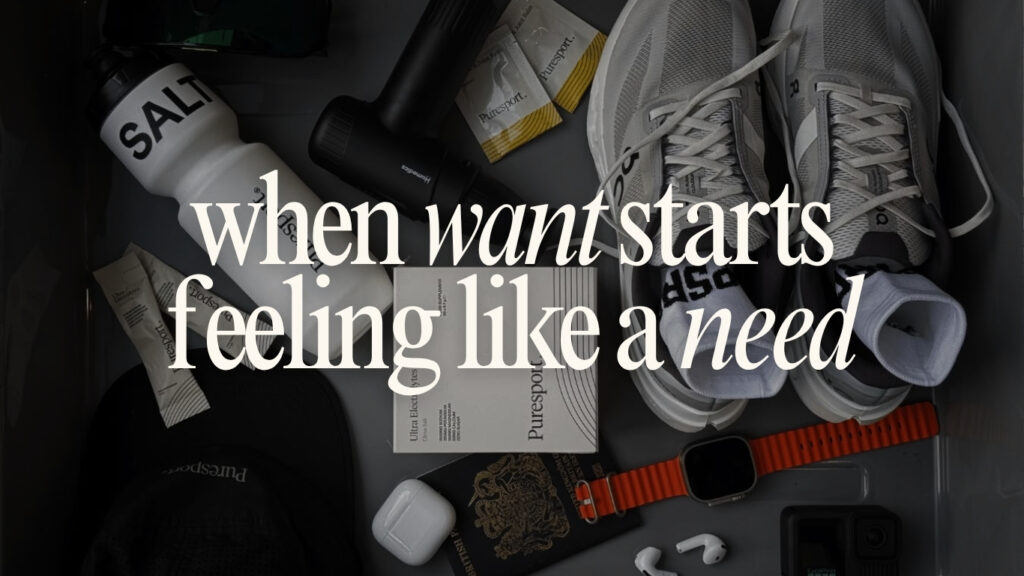
Sports brands have also become very good at making us feel like there is always something else we could buy.
A new shoe promises better performance. A new racket promises a better game. A new activewear collection makes last month’s outfit feel old. Then there are the smaller purchases that don’t seem like much individually: a new pair of socks, a sports bag, a bottle, a hat, a recovery tool. None of these things are inherently unnecessary. Some can genuinely make exercising more comfortable or convenient.
The problem is knowing where to draw the line.
Ask yourself why you’re buying something. Is it because your current equipment is worn out? Because it solves a problem? Because it will actually make playing easier? Or is it because you’ve seen it ten times on your feed and suddenly feel like you’re missing something?
There is a difference between wanting something and feeling like you need it to fit in.
The Strava Effect
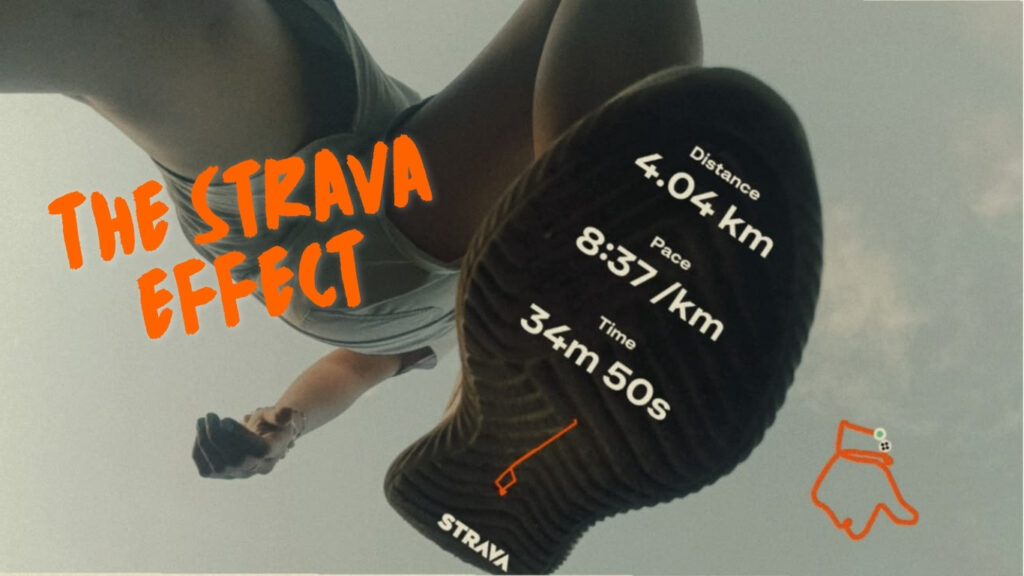
You can see this shift especially clearly with running.
Strava has become more than a way to record distance. For many young runners, it is part of the social experience. You post your run, see what your friends did and give each other “Kudos.”
That can be motivating. Seeing your friends run can encourage you to get outside. Tracking your own progress can make you want to improve. But it can also create comparison. Someone is running faster. Someone is running farther. Someone has a new pair of shoes. Someone is training for a race you haven’t even considered.
It can make an activity that started as “I just want to be healthier” feel like another thing you have to keep up with.
The same goes for equipment. When everyone around you is upgrading, it is easy to assume you should too. You don’t.
Your sport is not a competition to see who can build the most expensive setup.
You Can Still Like the Aesthetic
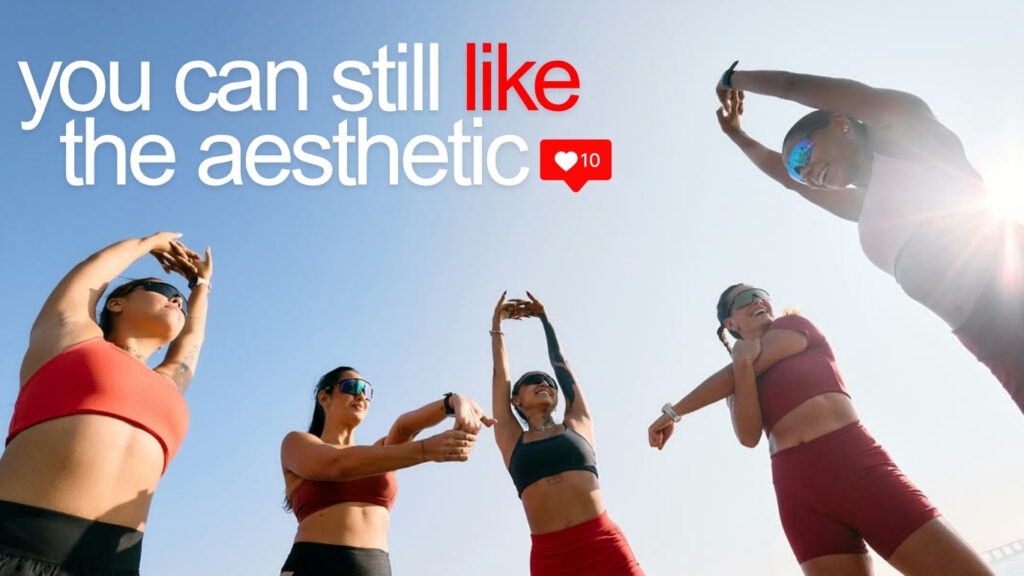
None of this means you have to reject the lifestyle.
Wear the tennis skirt if you like it. Buy the shoes you’ve been saving for. Get the cute water bottle if it genuinely makes you happy.
The point is simply to know when you’re buying something for yourself and when you’re buying it because you feel like you need to look the part. You can also participate without spending every time you go out.
Bring water from home. Wear an outfit you already own. Borrow equipment while you’re still learning. Split court fees with friends. Look for community courts instead of automatically choosing the most expensive facility.
And sometimes, just go home after your run.
You don’t have to get coffee every time to make it count.
Keep the Sport, Lose the Pressure
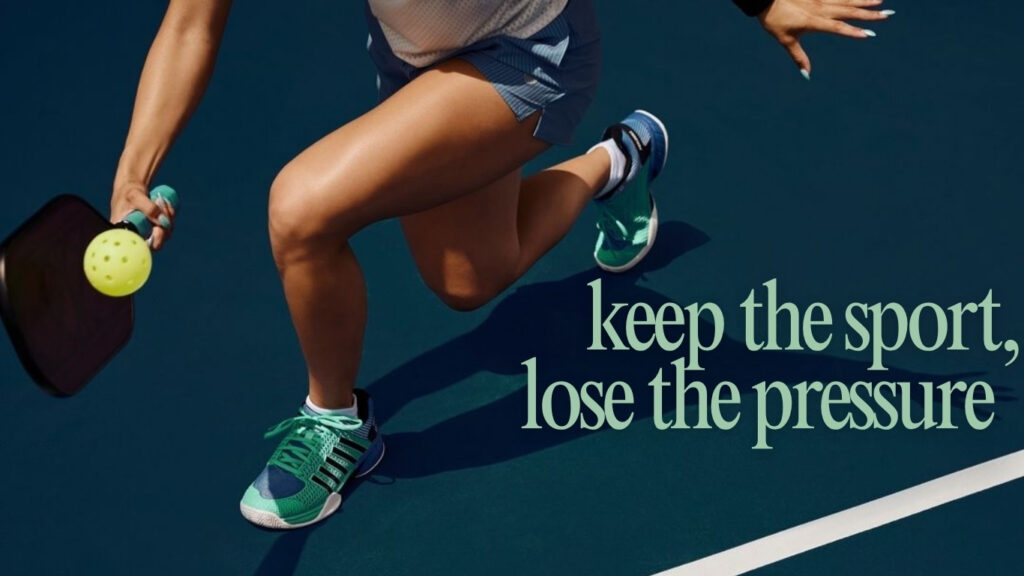
There is a reason these sports are appealing to Gen Z. They offer more than exercise. They offer routines, friendships, new experiences and a reason to spend time away from a screen.
Social media can be part of that experience, too. A TikTok might convince you to try tennis. A Strava challenge might get you running. A friend’s post might introduce you to pickleball.
That’s not necessarily a bad thing. The problem starts when the lifestyle becomes more important than the activity itself.
Because you don’t need the newest shoes to be a runner. You don’t need a matching outfit to be a tennis player. You don’t need an expensive paddle to enjoy pickleball.
You just need to show up.
So the next time you’re tempted to buy something because it seems like everyone has it, ask yourself one question:
Do I actually need this to enjoy the sport?
If the answer is no, you can always keep scrolling.
Because keeping pace was never supposed to mean keeping up with everyone else’s spending.
Find your sport. Find your pace. Spend where it matters.